The finished surfaces get the attention, but the materials behind them shape how a remodel feels, performs, ages, and holds up over time.
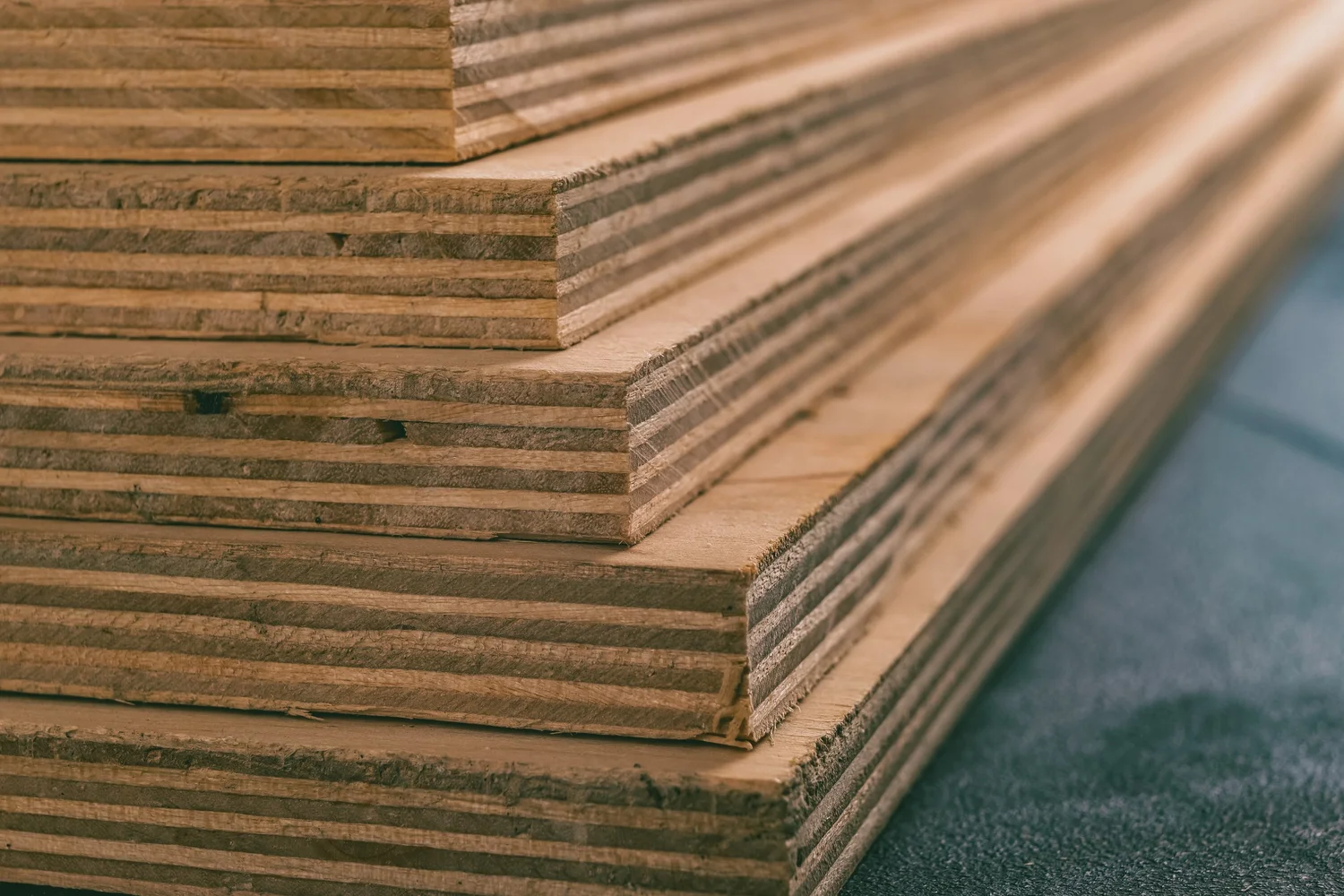
Plywood is one example of a material choice where construction, grade, and placement affect performance.
When people think about remodeling, they usually picture the finished look: cabinets, tile, paint, flooring, and trim. Those choices matter, but what your home is built with matters even more.
At Reimagine Remodeling, we care about materials because they affect how a project feels, performs, ages, and holds up over time.
Materials affect more than appearance
Quality materials can improve durability, moisture resistance, repairability, indoor air quality, and long-term value.
Lower-cost materials may save money upfront, but they often create problems later. They can swell, crack, warp, peel, or wear out faster under everyday use.
That can lead to repairs, replacements, and frustration.
A better question is not just, “What does this cost today?” It is, “How well will this hold up over time?” Industry life expectancy studies show that the lifespan of home components varies widely depending on material quality, installation, weather exposure, use, and maintenance.
Not all materials are equal
In cabinetry, trim, flooring, and custom carpentry, material choices make a major difference.
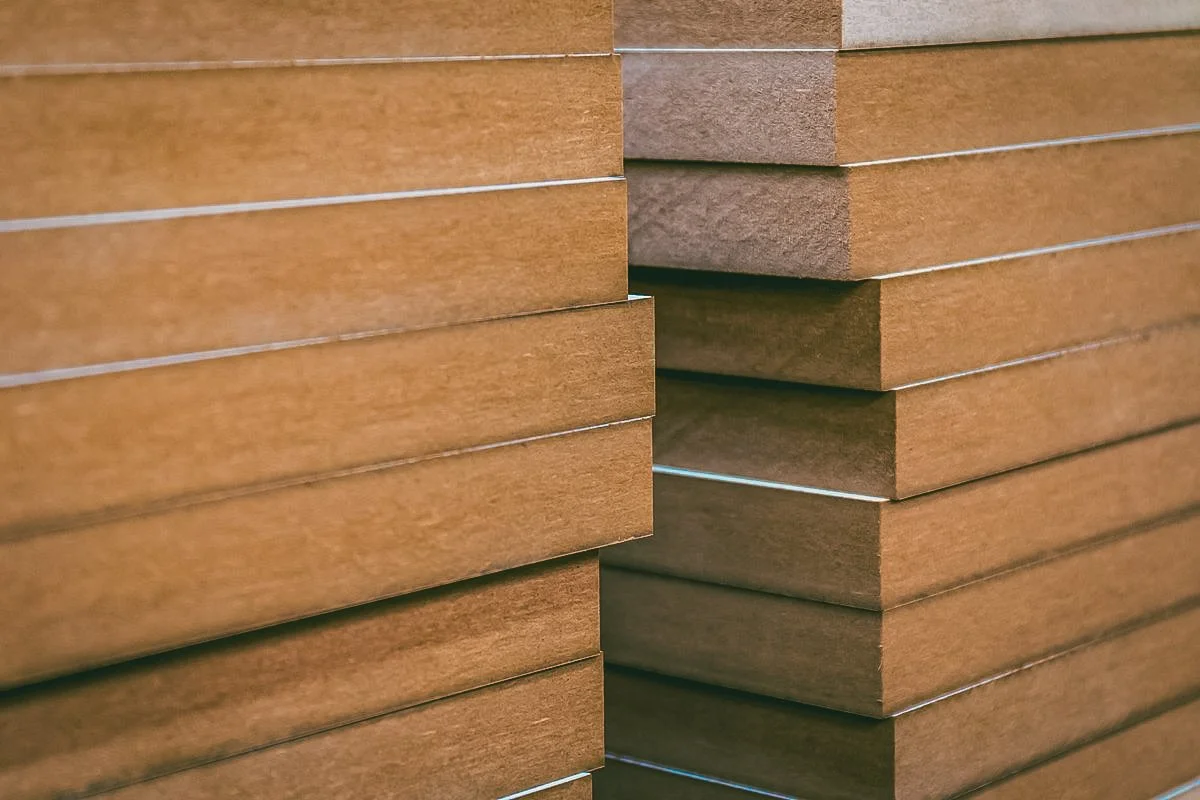
Solid hardwood, plywood, MDF, and particle board each behave differently. Some are better for painted finishes. Some are better for stained work. Some handle moisture and wear better than others.
Good remodeling is not about using the most expensive material everywhere. It is about knowing which material belongs where.
MDF can be a useful choice for painted work when it is selected and detailed for the right setting.Particle board has a place, but moisture, load, fasteners, and wear all need to be considered carefully.
The hidden details matter too
Some of the most important materials are the ones you never see after the project is finished: framing, fasteners, adhesives, waterproofing, insulation, underlayment, and flashing.
These details protect the finished work.
Beautiful tile does not mean much if the surface behind it was not prepared correctly. The Tile Council of North America explains that tile installation methods depend on a properly designed, constructed, and prepared substructure using materials that meet recognized standards.
Quality ages better
High-quality materials tend to age with more character. Real wood can often be repaired or refinished. Natural materials can develop patina. Better hardware keeps working smoothly after years of daily use.
Lower-quality materials usually do the opposite. They peel, swell, break, or need to be replaced.
A well-built remodel should feel solid, comfortable, and lasting, not temporary.
Materials should match the home
Every home has its own character. The right materials should support that character, especially in older homes where trim profiles, wood species, textures, and proportions matter.
When the materials fit the house, new work feels natural instead of forced.
Built to last
Sustainability is not only about labels or recycled content. Longevity matters too.
A project that lasts decades creates less waste than one that needs to be replaced in a few years. Choosing durable, appropriate materials helps reduce future repairs, replacement cycles, and unnecessary waste.
At Reimagine Remodeling, we care about materials because we care about the finished result, not just on day one, but for years after.
Final thought
Materials are not just what your home is made of.
They shape how your home lives, feels, and lasts.
What to keep in mind
Use the right material in the right place The strongest choice is not always the most expensive one. It is the one that fits the application, finish, moisture exposure, and use.
Think past day one Durability, repairability, maintenance, and indoor air quality all affect how the project feels years after the work is complete.
Respect the home Materials should support the age, character, proportions, and daily demands of the house.
Use the Start Your Project button below to share the room, built-in, exterior detail, or custom piece you are considering. We will help think through scope, fit, material choices, and what needs to hold up over time.